The first iPhone was released in 2007. The gadget became a real sensation and revolutionized the market as there were no analog devices at that time. Happy device owners shared…
Featured Posts
Our Partners
 American company olpr.com makes handmade leather covers for menus for cafes and restaurants. Amazing quality menu covers will become a decoration for your restaurant or bar. Full cover personalization is available with a choice of color, material, and text applied to the menu cover.
 Parimatch – the best betting site , just choose your best and win

Professional CS2 players from Eloboss will help you get your first Global Elite rank-up. Thanks to their service called cs 2 rank boost.

As an alternative to any UK licensed and GamStop subscribed online casinos, you should note that casinos not with GamStop offer many of the same games and excellent bonuses as well.

Agilie is an outstanding web and app development company that delivers superior services. With Agilie’s commitment to excellence, we are confident that our telecommunications project will be delivered on time and to the highest standard.

Online Casino BG site offers a rating of the best online casinos that have been reviewed by a team of experts. The site provides information on bonuses, game providers, trust level, and much more.
 It is very important for online casino players to have a website at hand, where they can find out all the latest and relevant information regarding the casino. So the Hungarian experts Legjobbkaszino.hu created just such a site where they are waiting for their readers.
Popular Posts
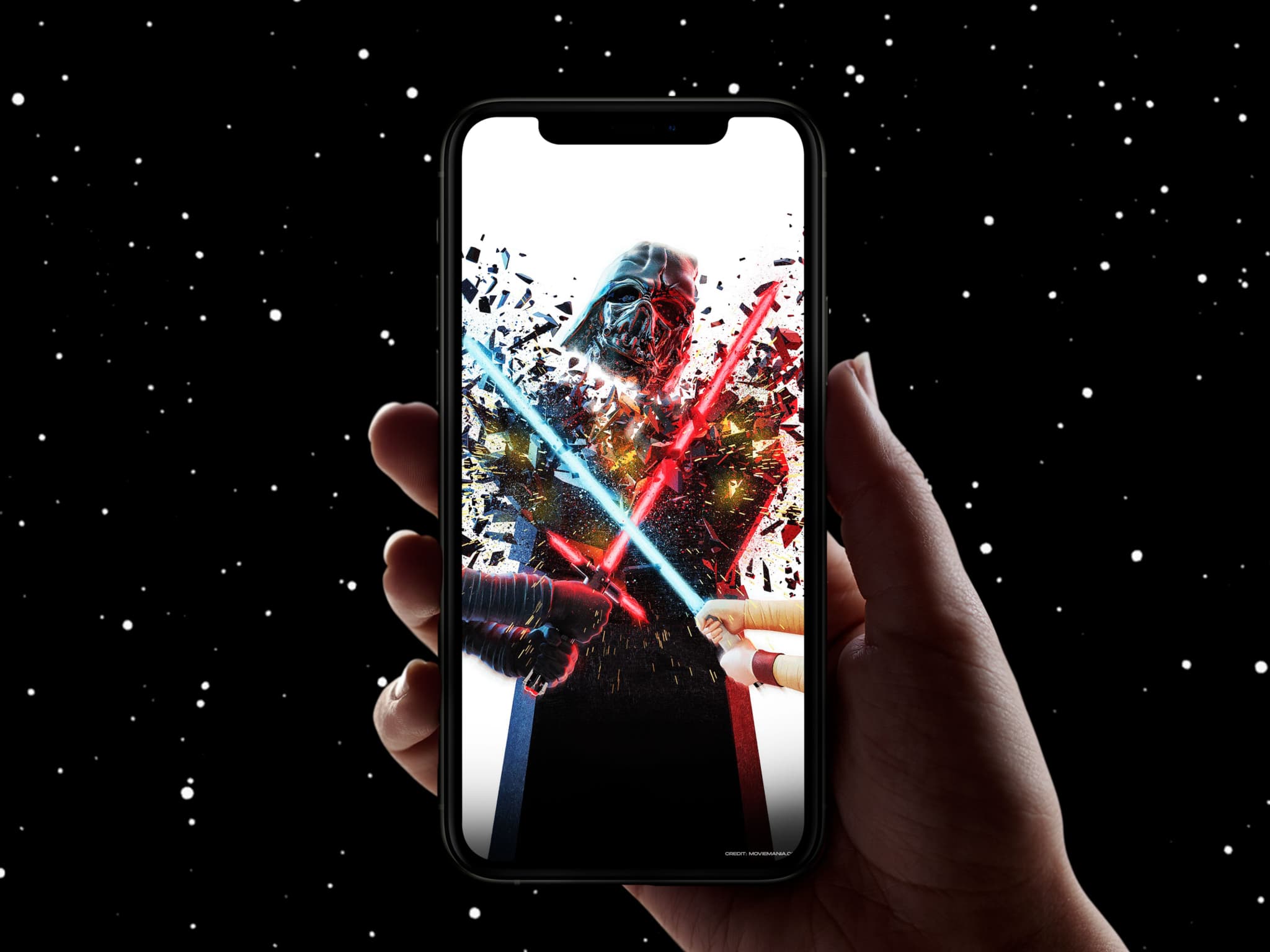
Why should you buy an iPhone: Top important reasons
The presentation of the first iPhone took place in 2007. The gadget was later called revolutionary in the mobile industry. The device quickly gained popularity. New releases still generate excitement…
Latest Posts
Satellite Сommuniсation: Сonneсting the Unсonneсted

In a world where сonneсtivity is inсreasingly vital, satellite сommuniсation stands out as a powerful tool for bridging the digital divide and сonneсting remote and underserved сommunities to the global…
Advantages and Disadvantages of iPhone: Is It Worth Buying?
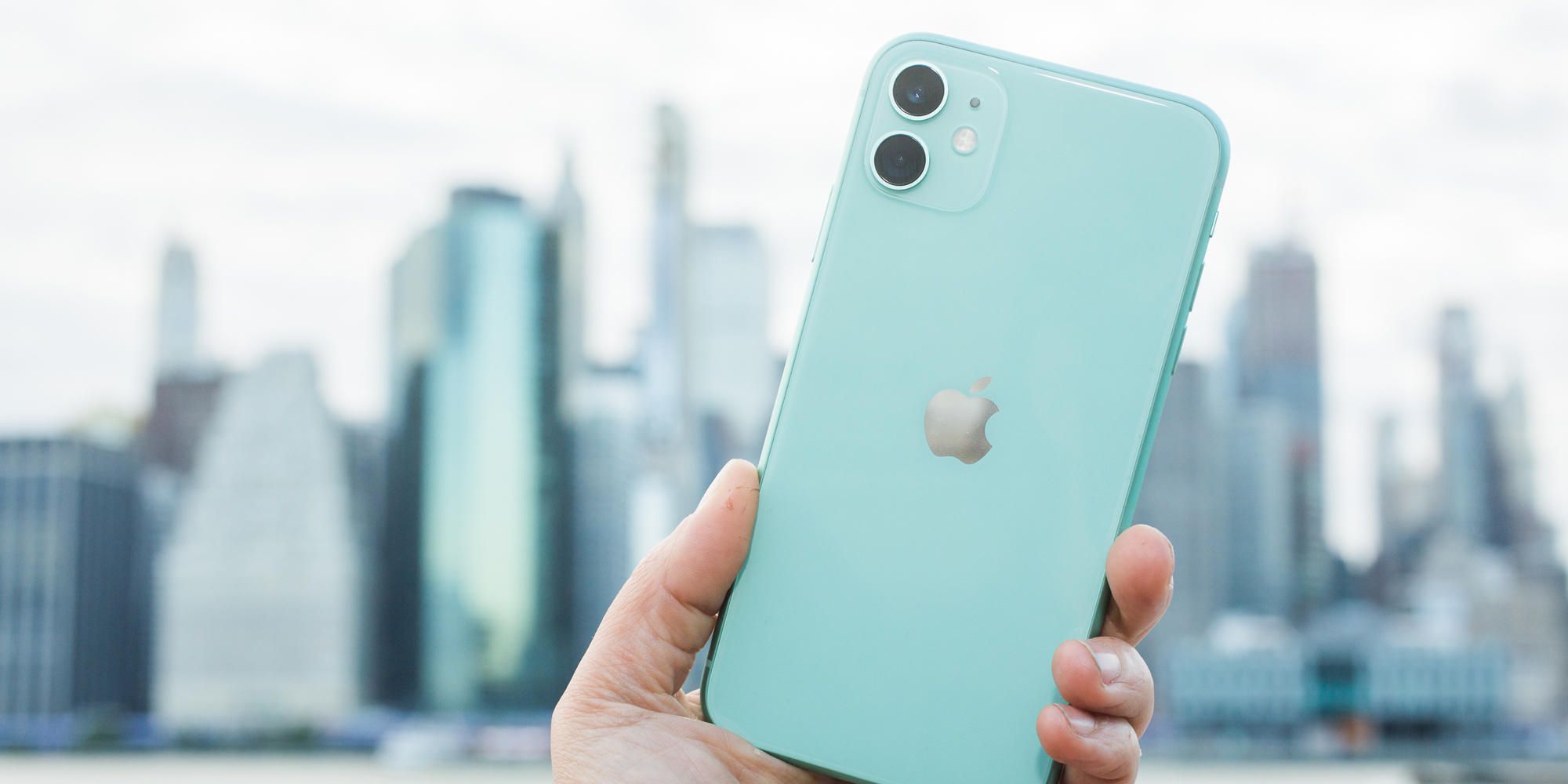
The first iPhone was released in 2007. The gadget became a real sensation and revolutionized the market as there were no analog devices at that time. Happy device owners shared…
Why should you buy an iPhone: Top important reasons
The presentation of the first iPhone took place in 2007. The gadget was later called revolutionary in the mobile industry. The device quickly gained popularity. New releases still generate excitement…
Bets.io Casino Chief Designer Tells What Challenges Mobile Software Developers Face
Recently, according to Bithound’s review of Bets.io Casino, chief designer gave an interview in which he spoke about the problems faced by developers of mobile software for casinos. Unlike other…
Nokia has boosted fiber-optic Internet to 600 Gbit/s

Nokia has tested a new generation of fiber-optic Internet in Finland, with speeds reaching 600 Gbit/s. The Nokia 1830 PSI-M optical system was tested in real time on the GO-COLOR…
Meta is shutting down its Express Wi-Fi affordable Internet project
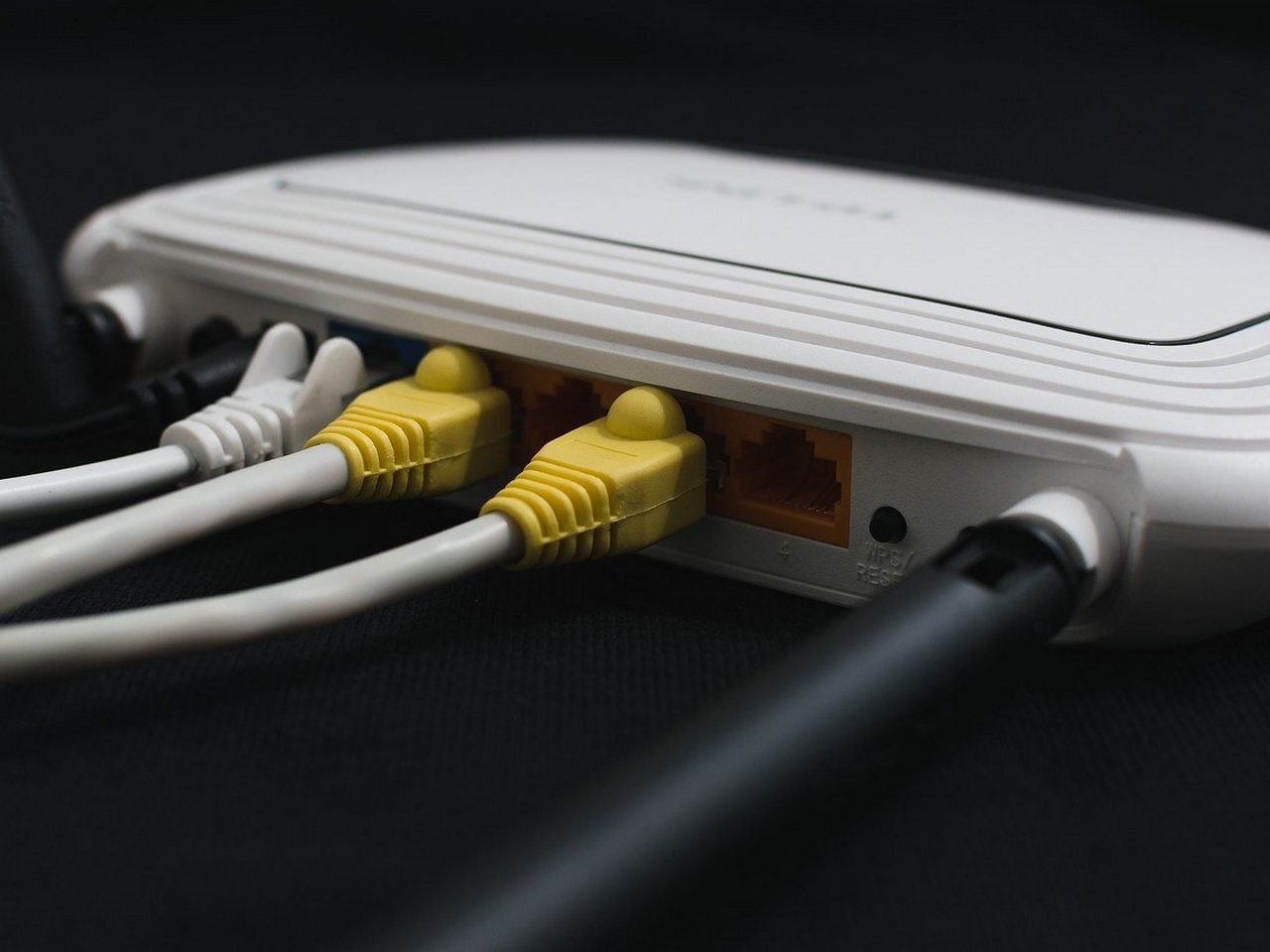
Meta (formerly Facebook) announced the closure of its Express Wi-Fi program, which began in 2016. Its goal was to provide low-cost Internet to people in developing countries (such as India,…